
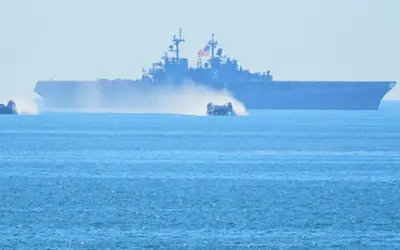
 The cost impacts are landing in layers, and they are cumulative.
War risk insurance was withdrawn entirely on 5 March 2026. Carriers negotiating re-entry face vastly inflated premiums that feed directly into freight rates. Bunker surcharges are rising in line with oil prices. Cape of Good Hope rerouting adds fuel, time, and port congestion costs. Emergency surcharges and booking suspensions from the world’s largest lines, Maersk, MSC, Hapag Lloyd, CMA CGM are in effect across the region.
The global supply chain is absorbing all of these pressures simultaneously. For UK importers bringing goods from Asia or the Middle East, the practical reality is this: longer lead times, higher costs, and reduced certainty on arrival dates. Planning on pre-crisis rate cards or pre-crisis transit times is no longer appropriate.
What You Should Be Doing Now
The businesses navigating this best are the ones communicating early and planning for multiple scenarios.
Three actions matter most right now.
Review every open shipment and every booking for the coming six to eight weeks. Understand exactly where your cargo is and what routing assumptions were made when it was booked. Many of those assumptions are now invalid.
Talk to your freight forwarder before you need to, not after the delay has already hit. The earlier we know about your requirements, the more options we can find. Alternative routings, consolidated services, and contingency planning all take time to arrange, time that disappears quickly when a crisis is already three weeks old.
Build buffer into your supply chain wherever possible. Whether that means increased stock holding, revised lead times with your suppliers, or adjusted promises to your own customers, the businesses that adapt their planning assumptions now will be in a far stronger position than those who wait.
At SARR Logistics, our sea freight and air freight teams are working with clients daily to find the best available options in a rapidly changing market. We will not always have perfect answers nobody does in a crisis of this scale but we will always give you an honest picture and work hard to find a path forward.
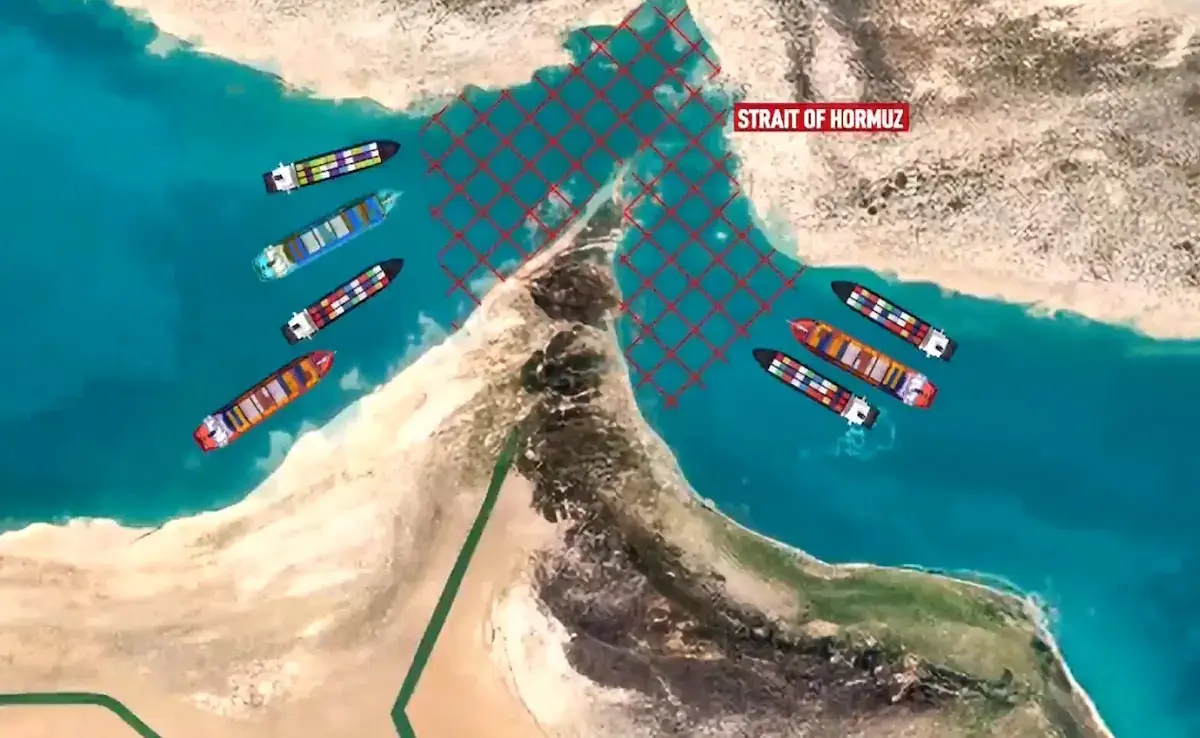
According to the UN Trade and Development review of global maritime transport, the Strait of Hormuz handles 11% of all global maritime trade and has long been identified as the single most strategically fragile chokepoint in world shipping. The current crisis has confirmed that assessment in the starkest terms. You can read the full UNCTAD maritime transport analysis at UN Trade and Development: Maritime Trade Under Pressure.
 Contact our experienced team at [email protected] or call 0333 224 1 224 to discuss how our comprehensive logistics services support your supply chain risk management requirements. We understand that effective protection requires both strategic planning and operational excellence across all freight forwarding disciplines. Further information can be obtained from BIFA British International Freight Association, called BIFA member guideance on the current events in the middle east

Is the Strait of Hormuz still closed?
Effectively yes for Western flagged vessels. Iran is developing a vetting system that allows selective passage for friendly nations including India, China, and Pakistan, but UK and European affiliated vessels remain blocked.
How high have oil prices gone?
Brent crude reached $126 per barrel at its peak up from approximately $65 before the conflict began on the
28 February 2026. Elevated oil prices feed directly into bunker surcharges across all freight modes.
Can ships route around the Strait of Hormuz?
The main bypass options Oman’s ports of Duqm and Salalah have been targeted by drone strikes. The Red Sea and Suez Canal remain closed to Western commercial shipping. The only viable current alternative for most cargo is rerouting around the Cape of Good Hope, adding significant time and cost.
What has happened to war risk insurance?
War risk cover for the region was withdrawn on 5 March 2026. Shipowners wishing to transit must now renegotiate at vastly inflated premiums, a cost that passes through directly to freight rates and surcharges.
How can SARR Logistics help my business right now?
Call us on 0333 224 1224 or email [email protected]. We are reviewing client shipments daily and working through every available option. The sooner we speak, the more we can do.