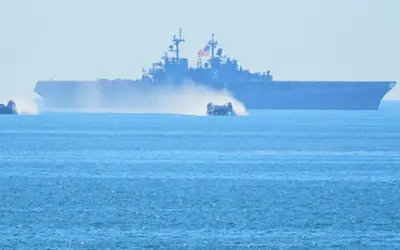
Strait of Hormuz: 3 Weeks In and the Crisis Is Getting Worse
Resilience in freight is not just about riding out disruption. It is about having the right partner in your corner when the map is being redrawn in real time.

Resilience in freight is not just about riding out disruption. It is about having the right partner in your corner when the map is being redrawn in real time.

The Middle East conflict has once again demonstrated how a single geographical chokepoint can send shockwaves through the entire global freight network.

Whilst basic supply chain risk management relies on free tools, growing freight forwarders eventually require more sophisticated monitoring capabilities tracking real time disruptions across global networks.

Whilst the official NaVCIS figure of £37.5 million represents direct losses, industry experts suggest the true economic impact reaches significantly higher.

Success in this environment requires comprehensive understanding of regulatory requirements, and expertise across multiple services

The deal is expected to increase trade by £25.5 billion, boost UK GDP by £4.8 billion…
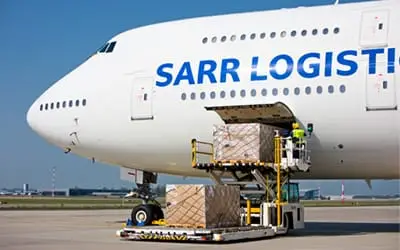
More than 90% of Heathrow’s cargo arrives or departs on passenger flights known as “belly cargo.”

Port congestion remains a significant challenge for freight forwarders, impacting global trade efficiency.

Understanding American freight compliance is crucial for businesses looking to streamline their import process and avoid unnecessary risks
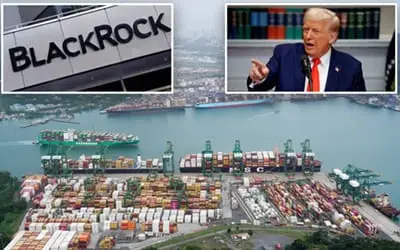
BlackRock’s Strategic Acquisition: Taking Control of Panama Canal Ports

The consequences of Trump’s tariff threats

The Carbon Border Adjustment Mechanism (CBAM): A Guide to EU’s Green Trade Revolution